
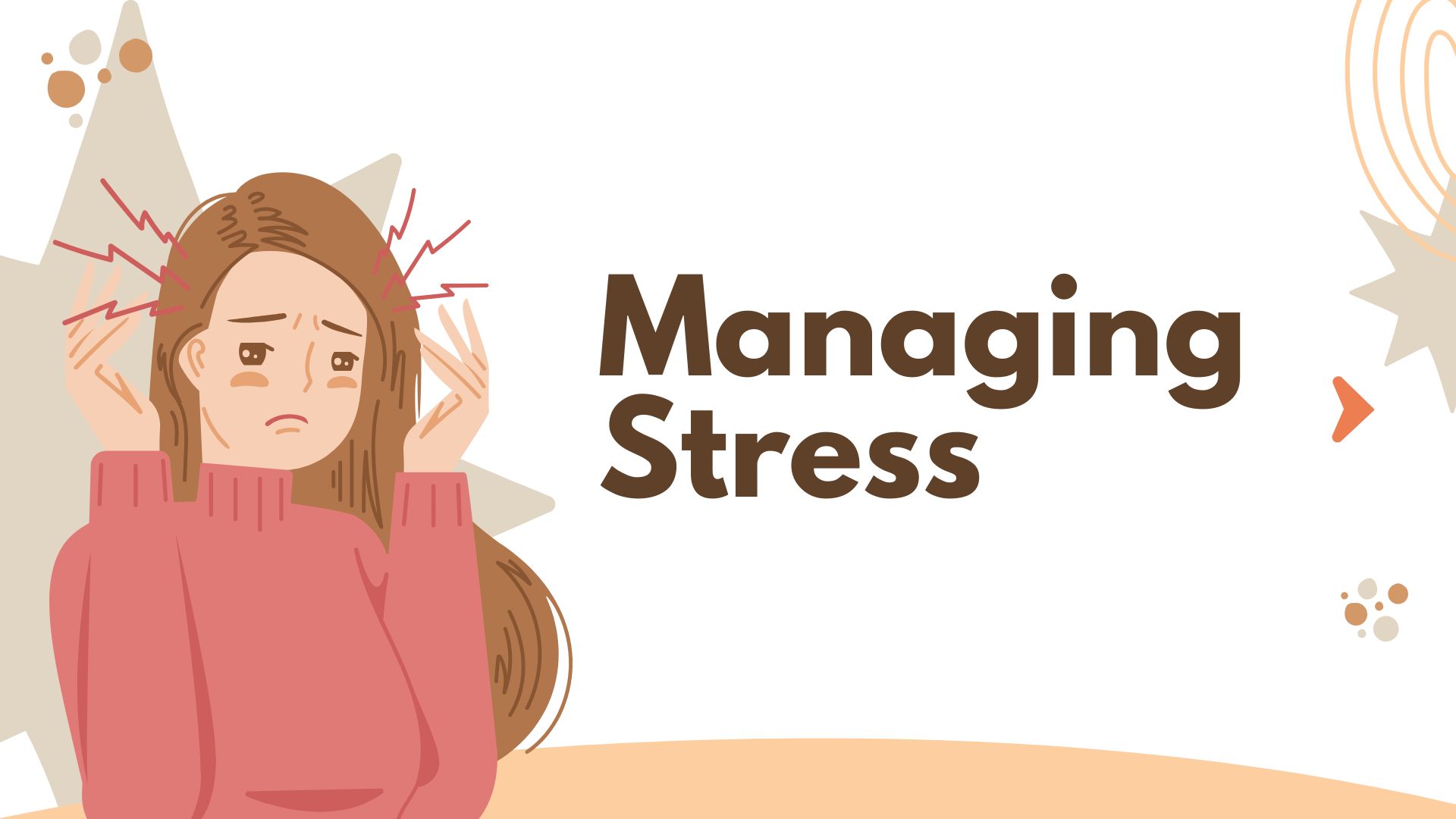
In everyday life, our traits usually work like a well-oiled machine—Openness exploring, Conscientiousness steering, Extraversion connecting, Agreeableness smoothing, Neuroticism scanning for risk. However, under pressure, this harmony can snap and we may witness unexcepted behaviour or emotions.
Truemelytics has successfully mapped this, which we calls collapse behavior: the moment a specific trigger (uncertainity about future, financial distress, workplace stress) forces your traits to stop collaborating and lock into a tighter, less flexible pattern.
The idea rests on three simple pillars.
Trait Entanglement:
Think of your personality like a team of different traits—like Openness, Conscientiousness, and so on. These traits don't work in isolation; they influence each other. So, how "open" you are might affect how "organized" you are, and vice versa. This is why you might behave very differently in different situations. For example, you could be very bold at work (showing high Openness) but very cautious at home (showing high Conscientiousness). Different traits "light up" depending on the environment or context.
Context as Trigger:
The environment or situation you're in helps "select" which combination of traits shows up. When you're under stress, for instance, a specific set of traits might dominate, pushing others into the background. It's like you have different versions of yourself, and when something triggers a strong emotional response, you temporarily pick one "version" to act through, like driving in a specific lane.
Trait Influence:
Not all personality traits are equally strong in every moment. Depending on the situation, some traits play a bigger role than others. For instance, if you're stressed, maybe your Neuroticism (emotional instability) becomes the dominant trait, while Openness takes a backseat. So, every trait has a certain "weight" or influence in a given moment, and a tool like Truemelytics can rank these influences. It doesn't just give you a label (like "you're anxious" or "you're confident"), but creates a unique, detailed "pressure profile" that shows which traits are influencing you the most at that time.
So what is collapse behavior, in plain terms? It’s when the adaptable self narrows. The traits that usually share the wheel start fighting over it. The dominant trait gets loud, secondary traits scramble to contain the mess, and the quieter traits barely whisper. The outcome is a recognizable chain of thoughts, feelings, and actions you tend to repeat when thattrigger shows up.
Take a common trigger: uncertainty about the future. If Neuroticism ranks dominant and runs high, worry spikes first: What if I lose control? Conscientiousness, especially if also high, tries to calm the storm by planning. Then over-planning. Rigid schedules, extra checklists, constant scenario-building. Openness—usually a source of fresh ideas—can flip into worst-case imagination, painting dramatic futures that raise the heart rate instead of widening options. If Agreeableness is lower, asking for help feels unlikely; you retreat. With low-influence Extraversion, you might stay quiet, so outsiders miss the inner chaos. The behavior others see? Busyness, tightness, maybe irritability; underneath, a crowded mind and a shrinking sense of choice.
Truemelytics turns this into a practical report: a trait-influence table that shows which traits are steering and how your scores amplify or soften the impact; a collapse narrative that explains, in human language, what you actually do and avoid; a chain-reaction outline from trigger → thought → behavior; a short metaphor (say, “a train in fog, still accelerating”); and a summary with risk level, collapse style (emotional, cognitive, relational, etc.), weak point, and possible buffers.
Why it matters: patterns are coachable. If you know your dominant weak point for a given trigger, you can pre-commit small counters—pace planning, ask for a reality check, broaden attention, or simply slow the first catastrophic thought by naming it. Collapse behavior isn’t doom. It’s a map of what happens when you’re squeezed, so you can widen the road before the next bend.